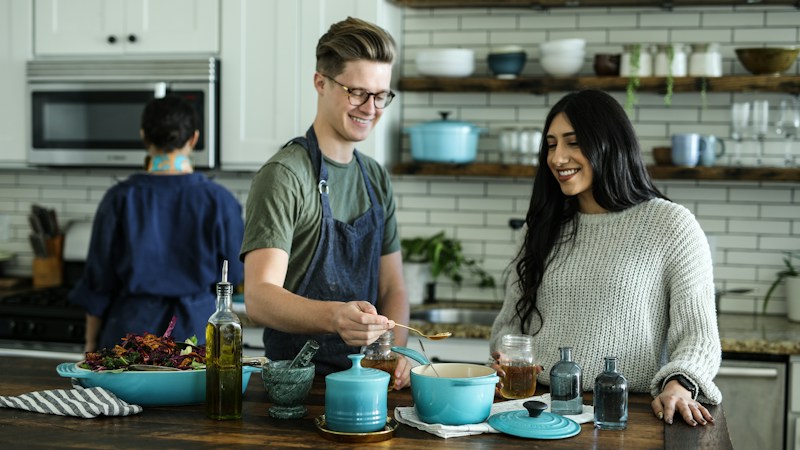
The first time you step into a kitchen with the intention of cooking—not just reheating—everything feels deliberate and slow. A knife skids across an onion instead of slicing it; salt lands in a heap instead of a pinch; oil smokes before the pan is even hot. These moments aren’t failures; they’re the raw material of learning. Cooking fundamentals aren’t about recipes or gadgets; they’re about developing a quiet, reliable rhythm that turns ingredients into meals without constant second-guessing. The goal isn’t perfection, but comfort—enough ease to cook without a script, and enough confidence to recover when things go sideways.
Treating the Kitchen as a Workshop
Most beginners treat the kitchen like a performance space, where every action must be flawless and every dish Instagram-ready. That mindset turns a simple omelet into a high-stakes audition. Instead, think of the kitchen as a workshop. Tools should be within reach, surfaces clear, and ingredients prepped before heat touches pan. This isn’t about rigid rules; it’s about reducing friction so you can focus on the food, not the chaos.
Start with mise en place—the habit of measuring, chopping, and arranging ingredients before turning on the stove. It sounds fussy, but it’s simply a way to prevent mid-cook panic. When you’re mid-sauté and realize you forgot to mince the garlic, the oil is already burning. Mise en place prevents that. It also forces you to read the recipe (or your own plan) all the way through, so you’re not halfway through a dish before discovering you’re missing an ingredient.
A practical example: if you’re making a stir-fry, your mise en place might include diced chicken, sliced bell peppers, minced garlic, soy sauce, and rice measured into a pot. When the pan is hot, you add ingredients in order, not because the recipe says so, but because you’ve already decided the sequence. The cooking becomes fluid, not frantic.
Tools and Ingredients That Simplify Cooking
You don’t need a drawer full of gadgets or a pantry stocked like a restaurant to cook well. Focus on a few reliable tools and ingredients that handle multiple tasks and build flavor without complexity.
The right tools make cooking easier and safer. A sharp 8- to 10-inch chef’s knife is the most important investment—it requires less force than a dull one, so it’s less likely to slip. Learn to hold it properly: pinch the blade just above the handle with your thumb and index finger, and curl your other fingers around the handle. This grip gives you control and precision. Pair it with a large cutting board (wood or plastic) placed on a damp towel to prevent slipping.
A heavy-bottomed skillet (10–12 inches) distributes heat evenly, so food cooks consistently. Stainless steel or cast iron are versatile and durable. Add a wooden spoon (won’t scratch pans), tongs (for flipping and tossing), and an instant-read thermometer (the only reliable way to know if meat is cooked through). Avoid unitaskers—tools that do one thing and nothing else. A garlic press, for example, is less versatile than a knife and harder to clean.
For ingredients, start with a few staples that add depth to simple dishes. Salt is the most important—use kosher salt for seasoning; its flakes are easier to control than fine table salt. Season in layers: as you chop, as you cook, and at the end. Acid (lemon juice, vinegar, or wine) brightens flavors and balances richness. Fat (olive oil, butter, or neutral oils) carries flavor and conducts heat. Aromatics (onions, garlic, ginger, celery) form the flavor base of countless dishes. Sauté them in fat until soft and translucent—they should smell sweet, not raw. Herbs and spices (fresh or dried) can transform a dish with a single teaspoon. Stock or broth adds body to sauces and soups—homemade is ideal, but store-bought works in a pinch.
These ingredients aren’t just for “fancy” cooking. A pot of beans tastes flat without salt and aromatics; scrambled eggs benefit from a splash of acid. Think of them as your flavor toolkit—they’re what turn raw ingredients into a meal.
Core Techniques to Master Early
Cooking is a series of small, repeatable actions. Master a few core techniques, and you can apply them to countless dishes.
Sautéing means cooking food quickly in a small amount of fat over medium-high heat. The goal is to brown the food without steaming it. Use a pan large enough to hold the food in a single layer—crowding causes steaming. Heat the pan first, then add the fat. When the fat shimmers (or a drop of water sizzles and evaporates instantly), add the food. Don’t stir constantly; let it sit for a minute or two to develop a crust. This is how you get crispy edges on chicken or caramelized onions.
Deglazing turns a simple pan into a sauce. After sautéing meat or vegetables, the pan will have browned bits (fond) stuck to the bottom. Add a liquid (wine, stock, vinegar) to the hot pan and scrape up the fond with a wooden spoon. The liquid dissolves the fond, creating a sauce base. For example, after cooking chicken breasts, deglaze the pan with a splash of white wine and a pat of butter for an instant sauce.
Roasting uses dry heat to caramelize food, intensifying its flavor. It’s hands-off and works for vegetables, meats, and even fruits. Toss vegetables with oil, salt, and pepper, spread them on a sheet pan in a single layer, and roast at 400°F (200°C) until browned and tender. The high heat breaks down fibers, so Brussels sprouts become crispy, not soggy. Roasting is forgiving—even if you overcook slightly, the caramelization compensates.
Blanching and shocking preserve color, texture, and nutrients in vegetables. Boil them briefly, then plunge them into ice water to stop the cooking. This is useful for green beans, broccoli, or asparagus. After blanching, you can sauté or roast the vegetables to finish them, or serve them cold in salads. The ice bath is crucial—it halts the cooking instantly, so the vegetables stay crisp.
Emulsifying combines two liquids that don’t naturally mix, like oil and vinegar. To make a vinaigrette, whisk vinegar (or lemon juice) with a pinch of salt and mustard (which acts as an emulsifier). Slowly drizzle in oil while whisking constantly. The mixture will thicken and turn creamy. If it breaks (separates), whisk in a teaspoon of mustard or warm water. Emulsifying isn’t just for dressings—it’s how you make mayonnaise, hollandaise, and pan sauces.
Common Mistakes That Make Cooking Harder
Some mistakes are inevitable; others are avoidable with a little awareness. These are the ones that trip up beginners the most.
Skipping the prep is the fastest way to turn cooking into a stressful scramble. Mise en place isn’t optional—it’s the foundation of a smooth workflow. When ingredients are ready, you can pay attention to the cooking, not the cutting board. Overcrowding the pan is another common error. When you add too much food, the temperature drops, and the food steams instead of browns. Cook in batches if necessary. It takes longer, but the results are worth it.
Underseasoning is a frequent issue. Salt isn’t just for making food salty; it enhances flavor. Underseasoned food tastes flat, even if the technique is perfect. Taste as you go, and season in layers. If you’re worried about overdoing it, remember: you can always add more salt, but you can’t take it out. Ignoring carryover cooking is another pitfall. Food continues to cook after you remove it from heat—a steak pulled from the grill at 130°F (54°C) will reach 135°F (57°C) after resting. The same principle applies to roasted vegetables and baked goods. Pull food from the heat a few degrees before it’s done, and let it rest.
Using the wrong heat can ruin a dish. High heat isn’t always better. Delicate foods like eggs or fish need medium or low heat to cook evenly without burning. High heat is for searing or boiling water. If your food is browning too quickly, lower the heat. If it’s taking forever to cook, raise it. Adjusting heat is a skill that comes with practice—pay attention to how food reacts, and you’ll learn when to turn the knob. Finally, not letting meat rest is a surefire way to dry it out. When you cut into a steak or chicken breast right after cooking, the juices spill out. Resting allows the juices to redistribute. For small cuts, 5–10 minutes is enough. For larger roasts, 15–30 minutes. Tent the meat loosely with foil to keep it warm.
Building Confidence Through Habit
Comfort in the kitchen comes from repetition, not talent. Start small: cook one new dish a week, or master a single technique before moving to the next. Keep a notebook to jot down what worked and what didn’t. Over time, you’ll develop a sense of how ingredients behave—how long it takes for onions to soften, or how to tell when oil is hot enough for frying.
Meal planning can help. If you know what you’re cooking for the week, you can prep ingredients in advance and avoid the 6 p.m. scramble. A simple plan might include a roasted chicken on Sunday, then using the leftovers for sandwiches, salads, or soup later in the week. This reduces decision fatigue and makes cooking feel less like a chore. For more on meal planning, see Meal Planning: Save Time and Money with Smart Planning.
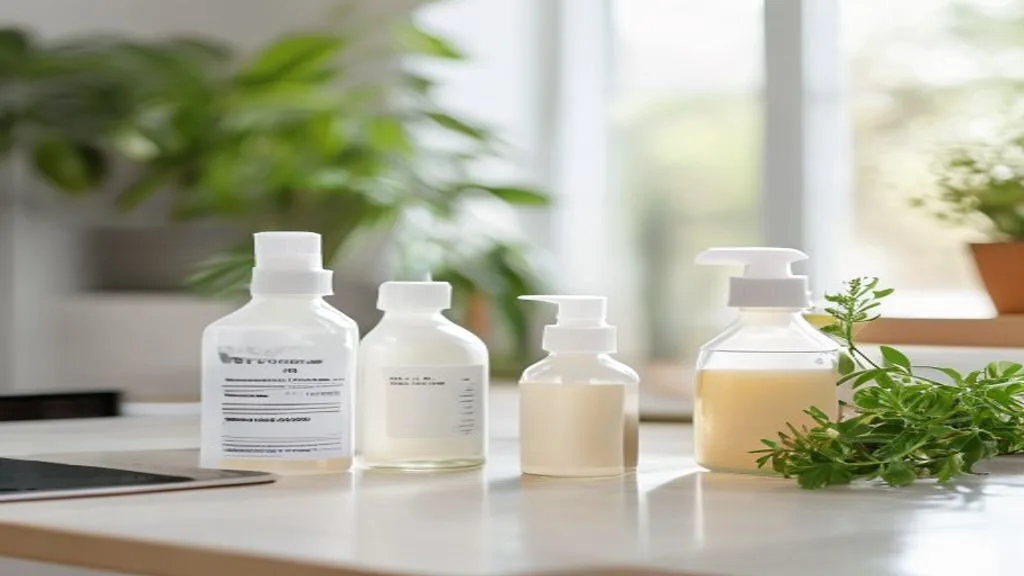
Clean as you go. Fill a bowl with scraps as you chop, wipe the counter between tasks, and load the dishwasher while the food cooks. A clean workspace makes cooking more pleasant and less overwhelming. It also means you’re not faced with a mountain of dishes at the end of the meal. For natural cleaning solutions that won’t leave chemical residues on your tools, see Natural Cleaning Solutions: Safe and Effective Alternatives.
When to Follow Recipes—and When to Trust Yourself
Recipes are useful for learning ratios and techniques, but they’re not gospel. Once you understand the principles behind a dish, you can adapt it to what you have on hand. A recipe for tomato sauce might call for basil, but if you only have parsley, it’ll still taste good. The key is to understand why the recipe works—what each ingredient contributes—so you can make substitutions without sacrificing the dish.
That said, some recipes are less forgiving. Baking, for example, relies on precise ratios of flour, fat, and leavening agents. A cake won’t rise if you substitute baking powder for baking soda. But even in baking, you can make small adjustments—swapping vanilla for almond extract, or adding nuts to a muffin batter.
Start by following recipes closely, then gradually experiment. If a recipe calls for 1 teaspoon of salt, taste the dish and decide if it needs more. If it says to sauté onions for 5 minutes, check them at 3 minutes to see if they’re done. Cooking is part science, part art—recipes are the science; your palate is the art.
First Dishes to Build Confidence
If you’re just starting, pick dishes that teach fundamental skills without being overly complicated. These are forgiving, versatile, and build confidence:
- Scrambled eggs: Teaches heat control and timing. Cook them low and slow for creamy results, or high and fast for firmer curds.
- Roasted vegetables: Teaches how to use dry heat and how to judge doneness. Try broccoli, carrots, or Brussels sprouts.
- Stir-fried rice: Teaches sautéing, seasoning, and using leftovers. Use day-old rice for the best texture.
- Pasta with garlic and oil (aglio e olio): Teaches emulsification and how to balance fat, acid, and heat. A simple dish that tastes complex.
- Chicken thighs with pan sauce: Teaches searing, deglazing, and carryover cooking. Thighs are forgiving and hard to overcook.
Each of these dishes reinforces core techniques. Once you’re comfortable with them, you can branch out—add herbs to the eggs, swap vegetables in the stir-fry, or experiment with different sauces for the pasta.
Unwritten Rules That Make Cooking Easier
Some things aren’t taught in recipes, but they make cooking smoother:
- Taste as you go. Don’t wait until the end to adjust seasoning. Taste after each addition, and trust your palate.
- Keep your knives sharp. A dull knife is dangerous because it requires more force. Sharpen it regularly, or have it professionally sharpened.
- Don’t walk away from the stove. Even for a minute. If you need to step away, turn off the heat or ask someone to watch the pan.
- Learn to improvise. If you burn the garlic, scrape it out and start over. If the sauce breaks, whisk in a little warm water. Cooking is problem-solving.
- Leftovers are your friend. Cook once, eat twice. Roast a chicken, then use the carcass for stock. Make a big pot of soup and freeze portions for later.
These habits aren’t about perfection; they’re about making cooking feel less like a performance and more like a natural part of your day. The kitchen isn’t a place for rigid rules, but for curiosity and experimentation. The more you cook, the more you’ll trust your instincts—and the less you’ll need to rely on recipes.
Why This Approach Works
Mastering fundamentals builds confidence gradually. Small skills make complex dishes feel achievable, and understanding techniques lets you adapt recipes to your tastes. Prep and planning reduce waste and save time, while cleaning as you go makes the process more pleasant. Over time, cooking becomes less about following instructions and more about trusting your instincts.
Challenges to Expect
Learning to cook takes time and patience. Prep and cleaning require an upfront investment, though they save time later. Some techniques, like emulsifying or deglazing, take practice to master. Quality tools and fresh ingredients can also be expensive, especially when starting out. The key is to focus on progress, not perfection—every mistake is a chance to learn.