Storage isn’t about cramming more into a space—it’s about making the space work for what you actually use. The moment you open a closet and feel a low-grade panic, or spend ten minutes hunting for a single item, the system has failed. The right solution doesn’t require a full renovation or a weekend of purging; it requires matching the storage to the constraints you live with: the square footage, the time you can realistically spend, and the habits that shape your daily rhythm.
Start With the Right Problem
Before buying bins or measuring shelves, identify the friction. Is it visual clutter that makes a room feel smaller? A specific category—shoes, spices, craft supplies—that spills into walkways? Or is it the mental load of not knowing where something belongs? The problem dictates the solution. A hallway that collects coats and bags needs a different approach than a pantry where expired cans lurk behind current ones.
List the three most frustrating storage pain points in your home. Not the ones you think you should fix, but the ones that disrupt your day. If you’re short on time, limit the list to one. This isn’t about transforming your entire home; it’s about making one decision that reduces friction.
Work With Your Constraints
Limited space and time aren’t obstacles—they’re the boundaries that shape the solution. A 500-square-foot apartment with no closets demands different storage than a four-bedroom house with a basement. Similarly, someone who works 60 hours a week won’t have the same capacity for maintenance as someone who works from home. The key is to work with these constraints, not against them.
Space: Use What You Have
In small spaces, storage must do double duty. A bench that opens for shoe storage, a bed frame with built-in drawers, or a wall-mounted desk that folds away can reclaim square footage without expanding the footprint. Vertical space is often underutilized: floor-to-ceiling shelving, pegboards, or over-door organizers can create storage without encroaching on living areas.
For larger spaces, the challenge is often too much storage, which can lead to accumulation. A walk-in closet with empty shelves might seem like a luxury, but it can become a magnet for items that don’t have a designated home. Define zones instead: one section for daily essentials, another for seasonal items, and a third for things that require occasional access.
Time: Keep It Simple
If you only have 15 minutes a week to devote to organization, the system must be low-maintenance. Open bins for toys, clear shoeboxes for pantry staples, or a single basket for mail and keys reduce the effort required to maintain order. The more steps involved—folding, labeling, sorting—the less likely the system is to stick.
For those with more time, the tradeoff shifts. A meticulously labeled pantry or a color-coded filing system might be satisfying, but it requires upkeep. The question isn’t whether you can maintain it, but whether you want to. Storage solutions should serve you, not the other way around.
Choose the Right Tools
The right supplies don’t create organization—they support it. A $50 custom closet system won’t help if the items inside aren’t regularly edited. Conversely, a $10 tension rod can transform a cramped corner into a functional space. The best tools are adaptable, affordable, and easy to adjust as needs change.
Foundational Supplies
These are the workhorses of storage, useful in nearly any scenario:
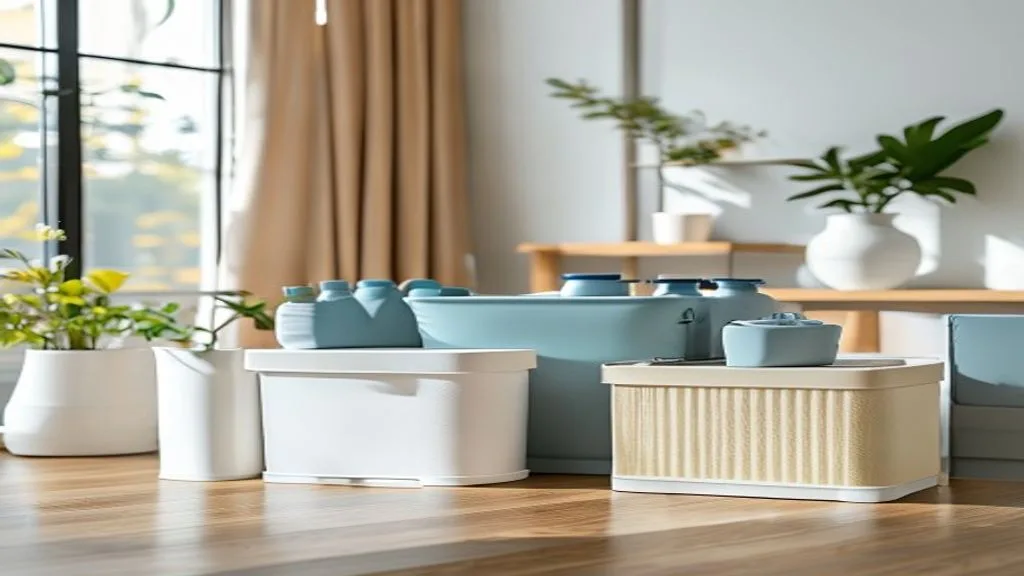
- Bins and baskets: Choose based on visibility and accessibility. Clear bins allow you to see contents at a glance, while woven baskets can conceal clutter while adding texture. For high-traffic areas, opt for bins with handles or wheels for easy transport.
- Shelving: Adjustable wire shelving is inexpensive and can be installed in closets, garages, or pantries. For a more polished look, floating shelves or built-ins can create storage without taking up floor space.
- Hooks and racks: Over-the-door hooks, wall-mounted racks, and ceiling-mounted bike hooks can keep items off the floor and within reach. These are especially useful in entryways, bathrooms, and small kitchens.
- Labels: Labeling isn’t about aesthetics—it’s about reducing decision fatigue. A simple label maker or even masking tape and a marker can help maintain order. For shared spaces, labels can also clarify where items belong, reducing the burden on one person to keep things tidy.
Specialized Supplies
These are useful for specific scenarios but can be overkill if applied broadly:
- Drawer dividers: Ideal for utensils, office supplies, or makeup, but unnecessary for items that don’t need to be sorted (e.g., socks or T-shirts).
- Vacuum-seal bags: Useful for seasonal clothing or bedding, but impractical for daily use. They can also compress items to the point of damage, especially fabrics or delicate materials.
- Pegboards: Highly customizable for tools, craft supplies, or kitchen utensils, but they require wall space and can look cluttered if not curated.
- Modular storage systems: Systems like IKEA’s Kallax or Elfa offer flexibility but can be expensive. They’re worth the investment if you anticipate frequent changes in storage needs, but overkill for static spaces.
Cost vs. Flexibility
Cheap storage solutions are often rigid. A set of plastic drawers from a big-box store might work for a dorm room, but it won’t adapt if your needs change. High-end custom solutions can be prohibitively expensive and may not justify the cost for a temporary living situation.
The middle ground is modular, mid-priced systems. These allow for reconfiguration without requiring a full overhaul. For example, a set of stackable bins can be rearranged as your storage needs evolve, whereas a built-in bookshelf is permanent. The tradeoff is that modular systems may not offer the same seamless look as custom solutions, but they provide the flexibility to adapt.
Storage vs. Minimalism: Find the Balance
Storage solutions and minimalism are often framed as opposing approaches, but they’re more like two sides of the same coin. Both aim to reduce friction—storage by creating systems for what you keep, minimalism by reducing what you own. The difference lies in the starting point: storage assumes you have items you need to manage, while minimalism assumes you can edit those items down.
For most people, the reality is somewhere in between. You might embrace minimalism in your wardrobe but need robust storage for a hobby or a growing family. The key is to apply the right approach to the right category.
When to Prioritize Storage
Storage makes sense when:
- You have items you use regularly but don’t have a designated home (e.g., sports equipment, holiday decorations, or tools).
- The items are necessary but visually clutter the space (e.g., cleaning supplies under the sink or paperwork on the desk).
- You share the space with others, and clear systems reduce conflict (e.g., a family command center for keys, mail, and schedules).
In these cases, storage isn’t about hoarding—it’s about creating functional systems that support your daily life. A well-organized pantry, for example, can save time and money by making it easy to see what you have and what you need to buy.
When to Prioritize Minimalism
Minimalism is worth considering when:
- You spend more time managing items than using them (e.g., a closet full of clothes you never wear or a garage packed with tools you don’t know how to use).
- The items create mental clutter, even if they’re neatly stored (e.g., sentimental items that evoke guilt or obligation rather than joy).
- You’re moving or downsizing, and the effort of storing items outweighs their value.
Minimalism isn’t about deprivation—it’s about intentionality. If an item doesn’t serve a purpose or bring you joy, storing it doesn’t make it more valuable. In these cases, the solution isn’t better storage; it’s letting go.
The Hybrid Approach
For most people, the sweet spot lies in combining both approaches. Use minimalism to edit your wardrobe down to a capsule collection, then use storage solutions to keep those items organized. Or apply storage to your kitchen tools while adopting a minimalist approach to your book collection.
The goal isn’t to adhere to a philosophy but to create a home that works for you. If a storage solution reduces stress and saves time, it’s worth implementing—even if it means keeping more than a strict minimalist would. Conversely, if minimalism helps you feel lighter and more focused, that’s a valid choice, even if it means letting go of items others might keep.
Solve Common Storage Problems
Storage solutions are most effective when tailored to specific scenarios. Below are common pain points and how to address them, accounting for constraints like space and time.
The Overstuffed Entryway
Entryways are high-traffic areas that collect coats, bags, shoes, and miscellaneous items. The challenge is to create storage that’s accessible but doesn’t encroach on the walkway.
Solutions include:
- Wall-mounted hooks: Install hooks at varying heights for coats, bags, and pet leashes. A lower hook can hold a basket for shoes or umbrellas.
- Narrow console table: A slim table with drawers or shelves can hold keys, mail, and small items without taking up much space. Look for one with a lower shelf for shoes or baskets.
- Over-the-door organizer: A shoe organizer or pocket organizer can hold small items like gloves, hats, or pet supplies. This is especially useful in rentals where wall-mounted solutions aren’t an option.
- Bench with storage: A bench with a lift-up seat can store shoes or seasonal items while providing seating for putting on shoes.
Tradeoffs to consider:
- Hooks vs. bench: Hooks are cheaper and take up less space, but a bench provides seating and concealed storage. If space is tight, hooks win. If seating is a priority, the bench is worth the tradeoff.
- Open vs. closed storage: Open storage (hooks, shelves) is more accessible but can look cluttered. Closed storage (drawers, baskets) conceals items but may require more effort to maintain. For high-traffic areas, open storage is often the better choice.
The Chaotic Pantry
A pantry can quickly become a black hole for expired cans, half-used bags of pasta, and mystery spices. The goal is to create a system that makes it easy to see what you have and what you need to buy.
Solutions include:
- Clear bins: Group like items (e.g., baking supplies, snacks, canned goods) in clear bins. This makes it easy to see what you have and grab what you need. Label the bins for quick identification.
- Turntables: Lazy Susans or tiered turntables can maximize corner space and make it easy to access items in the back.
- Door racks: Over-the-door racks can hold spices, condiments, or small packets (e.g., taco seasoning, gravy mixes).
- Shelf risers: Risers create additional layers on shelves, making it easier to see and access items. They’re especially useful for canned goods or small jars.
Tradeoffs to consider:
- Bins vs. no bins: Bins keep items contained and make it easier to pull out a group of items at once, but they can reduce shelf space. If your pantry is small, skip the bins and use risers or turntables instead.
- Labels vs. no labels: Labels reduce decision fatigue but require upkeep. If you’re short on time, skip the labels and rely on clear bins or grouping like items together.
The Cluttered Home Office
A home office can quickly become a catch-all for paperwork, craft supplies, and miscellaneous items. The challenge is to create storage that supports productivity without feeling sterile or overly rigid.
Solutions include:
- Vertical filing: A wall-mounted file organizer or a rolling file cart can keep paperwork accessible without taking up desk space. Use hanging folders for broad categories (e.g., bills, taxes, reference materials) and interior folders for subcategories.
- Desk organizers: A desk organizer with compartments for pens, paper clips, and other small items can reduce surface clutter. Look for one with a drawer for items you don’t use daily.
- Pegboard or wall grid: A pegboard or wall grid can hold tools, craft supplies, or office essentials. Use hooks, bins, and shelves to customize the setup.
- Furniture with storage: A desk with built-in drawers or a bookshelf with cabinets can provide concealed storage for items you don’t need daily.
Tradeoffs to consider:
- Open vs. closed storage: Open storage (shelves, pegboards) keeps items visible and accessible but can look cluttered. Closed storage (drawers, cabinets) conceals items but may make it harder to find what you need. For a home office, a mix of both often works best.
- Fixed vs. modular storage: Fixed storage (built-in shelves, custom cabinetry) can maximize space but lacks flexibility. Modular storage (freestanding bookshelves, rolling carts) can be rearranged but may not fit as seamlessly into the space.
How to Choose the Right Solution
When evaluating storage solutions, ask yourself these questions to narrow down the options:
- What’s the primary function of the space?
- A hallway needs quick-access storage for daily essentials, while a guest room can accommodate less frequently used items. The function dictates the type of storage: open for high-traffic areas, closed for less-used spaces.
- How much time can I realistically devote to maintenance?
- If you only have 10 minutes a week, opt for low-maintenance solutions like open bins or hooks. If you enjoy organizing and can spare an hour, you might introduce labeled drawers or modular shelving that requires occasional dusting and reorganization.
- What’s my tolerance for visual clutter?
- Some people thrive in spaces where everything is visible; others feel overwhelmed by the slightest disarray. If you lean toward the latter, closed storage—cabinets, wardrobes, or under-bed containers—will help maintain a serene environment. If you prefer accessibility over aesthetics, open shelving or wall-mounted racks might suit you better.
- Do I own items that require special conditions?
- Seasonal clothing, delicate fabrics, or electronics may need climate-controlled or secure storage. Consider whether your storage solution can adapt to these needs without forcing you to compromise on protection or accessibility.
- How does the storage integrate with the room’s existing flow?
- A bulky freestanding unit might dominate a narrow hallway, while built-in shelves could blend seamlessly into a guest room’s architecture. Think about how the storage will interact with door swings, walkways, and other furniture.
Custom vs. Off-the-Shelf Solutions
When storage needs outgrow generic options, the choice between custom-built and pre-made solutions becomes unavoidable. Each has distinct advantages and limitations, often tied to budget, time, and long-term flexibility.
Custom Storage
Custom storage is designed to maximize every inch of available space, including awkward corners or sloped ceilings. It’s ideal for rooms with unconventional layouts and offers personalization in materials, finishes, and configurations. For example, you can add a pull-out shoe rack in your hallway or a fold-down desk in your guest room. However, custom storage comes with higher upfront costs, longer lead times, and less flexibility if your needs change.
Off-the-Shelf Storage
Off-the-shelf storage is affordable and immediately available, making it a practical choice for renters or those with tight budgets. Many systems are modular, allowing you to reconfigure or expand them as your needs change. However, standard dimensions may not align with your space, leaving gaps or forcing awkward compromises. Quality can also vary widely, with cheaper options potentially not holding up to daily use.
When to Prioritize Aesthetics
Storage doesn’t exist in a vacuum—it’s part of the room’s visual narrative. In spaces like hallways, where first impressions matter, or guest rooms, where ambiance can influence comfort, aesthetics may take precedence over pure utility