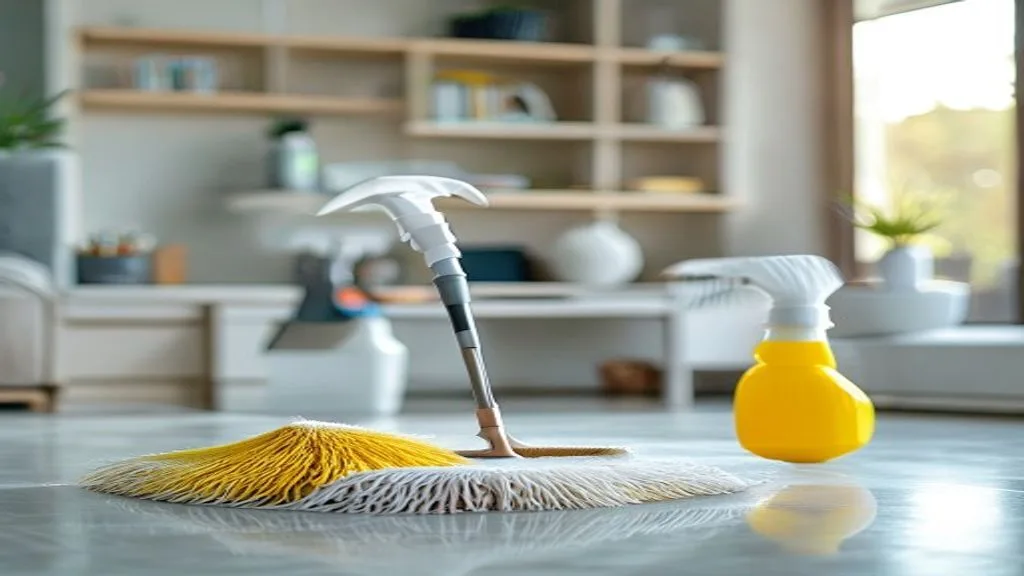
A cleaning routine isn’t about perfection—it’s about creating a system that works within the constraints you actually live with. If you’re short on time, space, or energy, the key isn’t to squeeze more into your day but to design a routine that fits the shape of your life. This starts with understanding what you’re willing to trade, what you can’t compromise on, and what tools will help you bridge the gap between the two.
Clarify Your Cleaning Goals
Before choosing supplies or scheduling tasks, clarify what your cleaning routine needs to accomplish. The answer isn’t “clean the house”—it’s more specific. Your primary goal dictates everything else: the supplies you keep, the tasks you prioritize, and how often you do them.
- Visibility: Prioritize high-traffic areas and quick daily touch-ups over deep cleaning. This might mean wiping counters after meals or sweeping entryways daily, even if corners remain dusty.
- Maintenance: Prevent grime buildup in problem areas (like greasy stovetops or soap-scummed showers) with targeted, frequent interventions. A daily 2-minute wipe-down can save hours of scrubbing later.
- Hygiene: Focus on air quality and sanitization if allergies, pets, or small children are a concern. This might mean vacuuming upholstery weekly or using fragrance-free cleaners to reduce irritants.
- Mental load: Reduce clutter’s visual noise, even if surfaces aren’t spotless. A routine that includes putting things away—like a nightly 5-minute “reset” of living spaces—can feel more effective than scrubbing floors.
A routine built for visibility won’t look like one built for hygiene, and that’s okay. The right system aligns with your priorities, not someone else’s standards.
Design Within Your Constraints
Limited time and space aren’t obstacles to overcome—they’re the parameters you design within. The most effective routines acknowledge these constraints upfront and work with them, not against them.
Time: Balance Frequency and Depth
If you have 10 minutes a day, your routine will look different than if you have two hours on weekends. The tradeoff isn’t just about frequency; it’s about what kind of cleaning you do in that time.
A hybrid approach often works best: daily micro-tasks paired with weekly or biweekly deeper cleans. For example:
- Daily (5–10 minutes): Wipe the stove, sweep high-traffic areas, or put away clutter. These tasks prevent small messes from becoming overwhelming.
- Weekly (30–60 minutes): Vacuum under furniture, clean the fridge, or scrub the shower. These tasks address buildup that daily cleaning can’t.
- Monthly (1–2 hours): Wash windows, dust baseboards, or declutter a problem area. These tasks maintain long-term order.
The exact balance depends on what you can realistically sustain. Short, frequent sessions are easier to start but require consistency. Longer, infrequent sessions allow for thorough cleaning but can feel daunting if you fall behind. Choose the approach that fits your schedule and energy levels.
Space: Prioritize Versatility and Accessibility
Limited storage changes what you keep, not just where you keep it. A minimalist toolkit forces you to prioritize versatility and efficiency. Ask these questions when evaluating supplies:
- Where will I store this? If it’s buried in a closet, it’s not part of your routine—it’s dead weight.
- Does this do multiple things? A microfiber cloth can dust, wipe counters, and polish surfaces. A single-purpose gadget (like a banana slicer, but for cleaning) is a liability.
- Can I access it easily? If your vacuum is stored in a hard-to-reach corner, you’ll avoid using it. Keep spray bottles under the sink or on a caddy for quick access.
Space constraints also affect where you clean. If you don’t have room to lay out supplies, work in stages or use tools that don’t require setup, like a handheld vacuum instead of a canister one.
Choose the Right Supplies
The right supplies don’t just make cleaning easier—they make it possible within your limits. The goal isn’t to own everything but to own the right things for your specific routine.
Core Supplies for Limited Time and Space
These versatile, easy-to-store tools are the workhorses of a constrained routine:
- Microfiber cloths: Trap dust instead of spreading it; reusable and washable. Use dry for dusting or damp for wiping surfaces. Store one in each high-use area (kitchen, bathroom). Tradeoff: less effective for grease or stuck-on grime without additional cleaner.
- All-purpose cleaner: Eliminates the need for multiple cleaners. Use on counters, appliances, sinks, and light fixtures. Keep a small spray bottle in each bathroom and the kitchen. Tradeoff: may not be strong enough for heavy-duty cleaning (e.g., oven interiors, mold).
- Handheld vacuum: Lightweight and fast to use—no setup required. Ideal for quick floor touch-ups, crumbs, pet hair, or upholstery. Store on a wall hook or shelf at waist height. Tradeoff: smaller capacity and less suction than a full-sized vacuum.
- Squeegee: Removes water and soap scum in seconds, preventing buildup. Works without chemicals. Hang in the shower or store in a caddy. Tradeoff: requires consistent use to be effective—miss a day, and grime starts to stick.
- Caddy or tote: Keeps tools organized and portable. Store under the sink or in a closet. Choose one with compartments to separate cleaners from tools. Tradeoff: takes up space when not in use.
Supplies to Avoid (Unless You Have a Specific Need)
Some tools promise to save time or effort but often end up cluttering your space or complicating your routine. Skip these unless you’ve identified a clear use case:
- Single-purpose gadgets: Electric scrubbers for grout or battery-powered mops rarely justify their storage space or upkeep.
- Bulk cleaners: A gallon of floor cleaner might seem economical, but if you don’t have space to store it (or the time to mop often), it’s just taking up room.
- Excessive specialty cleaners: Unless you have specific surfaces (e.g., granite countertops, hardwood floors), an all-purpose cleaner will handle 90% of tasks.
- Decorative storage: Wicker baskets and glass jars look nice but often make supplies harder to access. Function over form wins in constrained spaces.
Adjust Your Toolkit for Specific Scenarios
Your routine should adapt to the realities of your household. Here’s how to tailor your supplies for common situations:
- Pets: Add a lint roller, rubber broom (for pet hair on carpets), and enzymatic cleaner (for accidents). Adjust your routine to vacuum high-traffic areas daily and keep a lint roller by the door.
- Allergies or asthma: Add a HEPA-filter vacuum and fragrance-free cleaners. Wash bedding weekly in hot water and vacuum upholstery regularly.
- Small children: Use non-toxic cleaners and a steam mop for quick sanitizing. Clean floors daily and wipe down high-touch surfaces (doorknobs, light switches) more often.
- Rental or shared housing: Use a portable caddy for carrying supplies between rooms and removable hooks for hanging tools. Focus on high-impact, low-effort tasks (e.g., wiping surfaces, vacuuming).
Routines vs. Minimalism: Two Approaches to Cleaning
A cleaning routine is a system—it’s about how you clean. Minimalism, in this context, is a philosophy—it’s about why and what you clean. The two aren’t mutually exclusive, but they prioritize different things. Understanding the tradeoffs helps you decide where to focus your energy.
The Routine Approach: Consistency Over Perfection
A cleaning routine is built on repetition. Small, regular efforts prevent larger messes and reduce the need for deep cleaning. It’s less about the state of your home at any given moment and more about the trajectory—are things getting better, worse, or staying the same?
Key characteristics:
- Task-based: You follow a list (e.g., “Monday: vacuum; Tuesday: clean bathrooms”). The focus is on completing the task, not the outcome.
- Time-bound: Tasks are scheduled for specific days or times, often in short bursts.
- Tool-dependent: The right supplies make the routine faster and more effective. A squeegee in the shower means you can clean it in 30 seconds; without it, the same task takes 10 minutes.
- Adaptable: A good routine can scale up or down. If you’re short on time, you do the essentials; if you have extra time, you add tasks.
Pros: Prevents overwhelm by breaking cleaning into manageable chunks. Works well for people who thrive on structure. Can be tailored to specific needs (e.g., pet owners, parents).
Cons: Can feel rigid if your schedule changes frequently. Requires upfront effort to design and test. May include tasks you don’t actually need (e.g., dusting baseboards weekly when no one notices).
The Minimalist Approach: Less, But Better
A minimalist approach to cleaning isn’t about doing less—it’s about needing to do less. The focus is on reducing the sources of mess and clutter so cleaning becomes simpler or unnecessary. It’s less about systems and more about design.
Key characteristics:
- Prevention-focused: Eliminate the need for cleaning. Examples: remove shoes at the door to reduce floor dirt, use furniture with smooth surfaces that are easy to wipe, or store items in closed cabinets instead of on open shelves.
- Intentional: Every item in your home is there for a reason. If something doesn’t serve a purpose or bring joy, it’s removed. This reduces the number of things that need to be cleaned, organized, or maintained.
- Simplified tools: A minimalist cleaning kit might include just a broom, a mop, an all-purpose cleaner, and a few cloths. The idea is that you don’t need specialized tools if you don’t have specialized messes.
- Flexible: Without a rigid schedule, you clean when it’s needed, not when a list tells you to. This works well for people who prefer spontaneity or have unpredictable schedules.
Pros: Less time spent cleaning overall. Fewer supplies to buy, store, and maintain. Can feel more freeing than a structured routine.
Cons: Requires upfront effort to declutter and redesign your space. May not work well for households with pets, children, or high-traffic areas. Can feel overwhelming if you’re starting from a cluttered space.
Blend the Two for Best Results
The choice between a routine and minimalism isn’t binary—you can blend the two. For example, adopt a minimalist philosophy for your wardrobe while maintaining a structured cleaning schedule for shared spaces. Assess where each approach excels in your life and where it might create friction.
Both methods share a core principle: intentionality. A routine forces you to confront how you spend your time, while minimalism challenges how you allocate physical and mental space. The friction arises when one method’s intentionality clashes with your lifestyle. For instance, a rigid routine may feel oppressive if your schedule is unpredictable, just as minimalism may feel restrictive if you derive joy from collecting or decorating.
Consider what you’re optimizing for. If your goal is efficiency—getting more done with less stress—a routine’s predictability might be the priority. If your aim is clarity—reducing decision fatigue or visual noise—minimalism could take precedence. The tradeoff isn’t just about time or stuff; it’s about what you’re willing to sacrifice to gain something else.
Some spaces and habits benefit from a hybrid model. For example, a minimalist kitchen might reduce the number of gadgets you own, but a routine ensures you actually use what remains. The routine prevents the minimalist space from becoming a static museum of unused tools, while the minimalist approach stops the routine from devolving into a cycle of cleaning around unnecessary items.
Start small and adjust often. Test a minimalist approach in your closet for a month, or implement a 5-minute daily routine for one high-traffic space. Observe how it feels—does it reduce stress, or does it create new frustrations? Adjust based on what you learn, not on what you think you should do.
Know When to Walk Away
Not every method is worth the effort. If a routine or minimalist approach consistently drains you more than it helps, it’s okay to step back. The point isn’t to force yourself into a mold but to find what makes your life easier.
For example, if you love cooking but hate the idea of a minimalist kitchen, don’t force it. Instead, focus on a routine that keeps your space functional—like a weekly pantry check to prevent expired items from piling up. The best system is the one you’ll stick with, not the one that looks good on paper.
Both routines and minimalism require ongoing effort, but the nature of that effort differs. A routine demands consistency—showing up, even when you don’t feel like it. Minimalism demands vigilance—resisting the accumulation of things you don’t need. Neither is a one-time fix.
There’s also an emotional component. Letting go of items can feel like losing a part of your identity, especially if they hold sentimental value. Similarly, abandoning a routine can feel like losing control. Acknowledge these feelings rather than dismissing them. The discomfort is often a sign that you’re engaging with something meaningful, not that you’re doing it wrong.